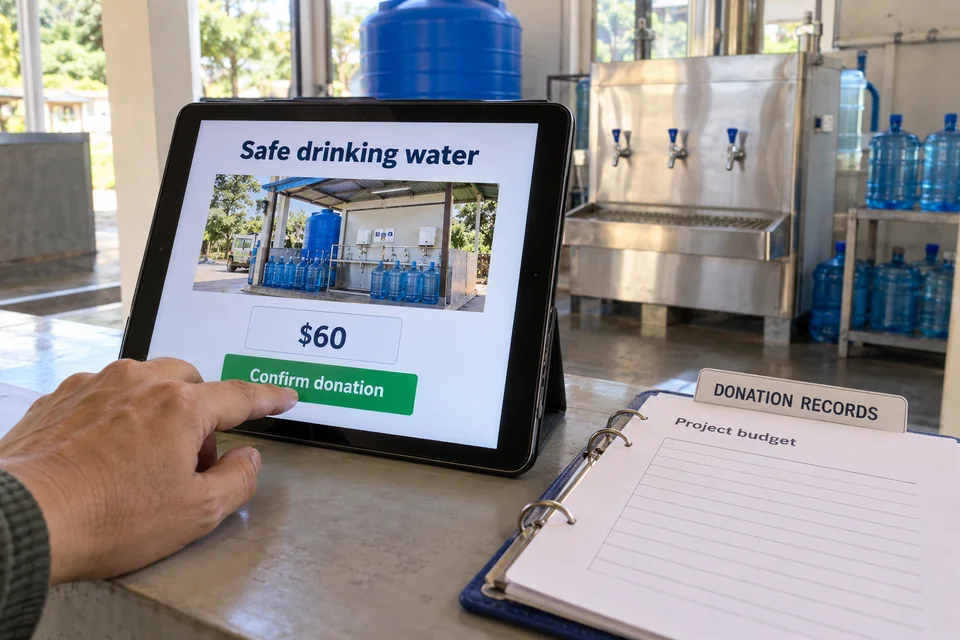
What charitable donation crowdfunding means
Charitable donation crowdfunding is online fundraising where a charity, or another body set up for public benefit, invites many people to contribute small gifts to a specific project. Nonprofit crowdfunding of this kind could pay for a youth workshop, a renovated day centre, a mobile advice van or a winter food programme. Supporters give out of belief in the work; they are offered no profit share, no interest and no ownership in return.
That last point separates it from the other main models. In equity crowdfunding people buy shares in a business, in lending models they expect repayment, and in reward models they receive a product. Charity crowdfunding sits outside all of these. A gift is a gift, and the only thing the charity owes in return is honest use of the money and a fair account of what happened.
Many nonprofits treat nonprofit crowdfunding as a project in its own right rather than as a donation button. It has a target, a deadline, a story, a named lead and a plan for thanking and informing supporters afterwards. The tools are digital, yet the underlying habits are old ones: say clearly what you need, show who benefits and keep the people who trusted you informed.
Which nonprofits can run charity crowdfunding
Not every group that wants to raise money is a charity in law. In England and Wales, an organisation with exclusively charitable purposes that meets the legal tests may need to register with the Charity Commission for England and Wales. Scotland has its own regulator, the Scottish Charity Regulator, known as OSCR, and Northern Ireland has the Charity Commission for Northern Ireland. Each keeps a public register, and a donor can search it by name or registration number.
Smaller groups, such as a residents' association, a friends-of-the-school group or a community choir, often fundraise without being registered. That is lawful, but it changes what they can say and claim. An unregistered group should never imply that it is a registered charity, and it should be open about who holds the money and who decides how it is spent.
Some bodies are exempt from registration, and others, such as community interest companies, are nonprofit without being charities. A group should know its category before launching, because platforms, banks and funders may ask.
Gift Aid and the tax side of giving
In the United Kingdom the best-known tax feature of charity giving is Gift Aid. Where a donor is a UK taxpayer and signs a valid declaration, a registered charity can reclaim tax on the gift from HMRC, which increases the value of the donation to the charity at no extra cost to the donor. Most large charity crowdfunding platforms collect the declaration during checkout, so it does not need to be handled separately.
The detail matters. Gift Aid belongs to the charity, not to the platform or the campaign page, and it is only available when the donor has paid enough tax and has not received a significant benefit in return. A charity should therefore keep the declarations, match them to the correct donations and follow HMRC guidance on record-keeping. Donors who pay higher rates of tax may be able to claim relief through their own tax return, and HMRC explains how.
A donation to an individual's personal collection, or to an unregistered group, does not carry Gift Aid. That is one reason many people prefer to give through a registered charity's own campaign. The rules can change, so HMRC guidance is the place to confirm the current position.
Fundraising standards and public trust
Public trust is the real currency of charitable donation crowdfunding. In the United Kingdom, fundraising by charities is self-regulated through the Fundraising Regulator, which publishes the Code of Fundraising Practice. The code covers how supporters should be treated, how personal data is handled and what fair, honest and respectful fundraising looks like. A charity that follows it can say so, and a donor with a concern can complain.
Campaign wording should be accurate and specific. Say what the money will do, who will benefit and what happens if the target is missed or exceeded. If funds are raised for one purpose and cannot be spent on it, charity law generally expects the trustees to act within the terms of the appeal, so it is wise to state in advance how any surplus will be used.
- Name the charity, its registration number and its regulator on the campaign page.
- Describe the project in plain terms, avoiding emotional pressure and exaggerated claims.
- Explain how supporters' personal details will be used, in line with data protection law.
- Publish updates, including setbacks, so that donors see the outcome of their gift.
Choosing a platform for charity crowdfunding
A charity can run a campaign from its own website, through a payment provider, or on a third-party platform. Familiar names in the United Kingdom include JustGiving, GoFundMe and Localgiving, and each has its own rules about who may open a page, how payouts reach the charity and how Gift Aid is processed. The best choice depends on whether the charity wants a hosted page, a link to an existing donation form or tools for supporters to fundraise on its behalf.
Questions worth asking before signing up include who owns the supporter data, how quickly money is paid out, what happens to refunds and chargebacks, and whether the platform verifies charities before listing them. It is also worth reading how the platform treats campaigns that miss their goal, since some pay out whatever was donated and others do not.
Whatever is chosen, the trustees stay responsible for the appeal, because a platform provides infrastructure and does not replace their duties.
Records, accounting and volunteer roles
Good records protect donors, volunteers and trustees alike. Every online gift should be traceable from the payment processor's report to the charity's bank account and then to the accounts, with restricted funds, which may only be spent on a particular purpose, kept distinct from general funds. A volunteer who updates a spreadsheet by hand each week is doing useful work, but the figures should be reconciled against bank statements regularly.
Small nonprofits running charity crowdfunding often rely on one willing volunteer to run the campaign. That is workable if the work is shared and documented. At least two people should have access to payout details, someone other than the person receiving money should review the reconciliation, and a short written note should explain who may approve spending.
Income from nonprofit crowdfunding is ordinary charitable income and belongs in the annual accounts, together with any platform fees deducted before payout.
Reporting back after a charitable donation crowdfunding campaign
The campaign does not end when the target is reached. Donors who hear nothing afterwards are less likely to give again, and they may reasonably wonder where the money went. A prompt thank-you, followed by a report on what the project achieved, turns a single gift into a lasting relationship.
Reports need not be elaborate. A few photographs with consent, a short account of what was bought or delivered, and an honest note on anything that went differently from plan will satisfy most supporters. Where a project is delayed or costs more than expected, saying so early is better than letting rumour fill the gap.
Do not publish names or images of beneficiaries without permission, especially where children are involved.
Warning signs and responsible use
Crowdfunding for charities is only as trustworthy as the people behind it, and fraudsters sometimes copy genuine appeals or invent charities. Donors can protect themselves by checking the register of the relevant charity regulator, reading the campaign page critically and being cautious of urgent demands for payment by unusual methods. A real charity does not need donors to pay by gift card or to send money to a private account.
Fundraisers should also be realistic. Online giving does not replace grants, legacies, events or regular giving, and a campaign can fall short even when the cause is excellent. Charity crowdfunding works best as one part of a wider plan, with a clear message and a circle of supporters who can share it.
Rules on fundraising, tax and data change from time to time. The Charity Commission for England and Wales, OSCR, the Fundraising Regulator and HMRC publish current guidance, and trustees should consult them before launching a campaign.
Frequently asked questions
Does a charity have to be registered to use crowdfunding?
No, but registration affects what you can say and claim. Only a registered charity can reclaim Gift Aid, and it must not mislead donors about its status. Check the register of your regulator before you launch.
Are donations to a crowdfunding campaign tax deductible?
Not automatically. In the United Kingdom a registered charity can reclaim Gift Aid on eligible gifts from taxpayers, but a gift to a private person does not qualify. The up-to-date rules are set out by the tax authority, HMRC.
Do donors receive anything in return for giving?
No financial return is offered. Supporters may receive thanks and updates, and a small token is sometimes given, but a significant benefit can affect Gift Aid. The gift is not an investment and carries no repayment.
How can I tell whether an appeal is genuine?
Look up the charity on its regulator's register, compare the registration number with the campaign page, and be wary of pressure to pay quickly or by unusual means. If in doubt, contact the charity directly using details you found independently.