How donation crowdfunding platforms in Nigeria work in practice
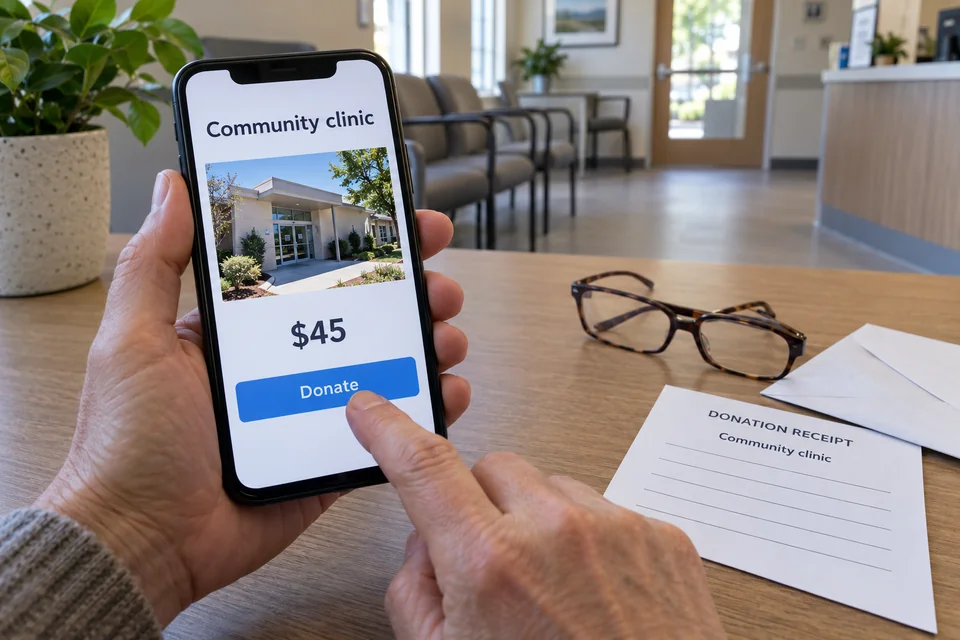
Donation crowdfunding platforms in Nigeria follow a common pattern. An organiser describes a need, sets a target, shares a link and collects payments through cards, bank transfers or mobile banking. The service then releases the money to the organiser, sometimes in stages, sometimes at the end. Supporters receive nothing material in return.
Nigeria has a strong culture of mutual help. Congregations raise money for building projects, extended families pool funds for burials and weddings, and groups of friends contribute to an ajo or esusu savings circle that can also be turned to a member in need. Crowdfunding in Nigeria extends those habits to people in Lagos, Abuja, Port Harcourt and the diaspora.
Scale brings variety. Some appeals are run by established organisations with staff and audited accounts; others are started by an individual with a phone. A good comparison between services starts by asking which of those two situations the service handles best.
Payment routes for online fundraising in Nigeria
Most online giving on donation platforms in Nigeria runs through bank transfers, debit cards and the mobile apps of banks and fintech providers such as Opay, PalmPay and Moniepoint. Interbank transfers move through the national instant payment system run by NIBSS, and many banks also offer USSD codes that work without data.
Payment processors such as Paystack and Flutterwave let organisations create payment pages and links that accept cards and transfers. These are processors, not review bodies: they move money, but they do not decide whether an appeal is true. A donation link built on one of them tells you that the payment is routed properly, not that the cause is genuine.
Before paying, compare the account name displayed on your banking app with the name in the appeal. Where the two differ, ask for an explanation in writing. Check, too, whether the platform charges a fee to the organiser or asks the donor for an optional tip, and whether any tip is clearly labelled as such.
Which Nigerian fundraising platforms suit which cause
Medical emergencies call for speed and for evidence. A campaign tied to a named hospital, with an invoice that the hospital will confirm, can often be paid directly to the hospital account, which removes the question of what the organiser does with the money.
Community and charity projects fit services that screen organisations and publish updates. International marketplaces, such as GlobalGiving, list approved non-profits, including Nigerian ones, and offer donors a way to follow progress. Organisations may also take gifts through their own websites, usually using a payment link.
Religious and school projects often raise funds through their own accounts, with the committee publishing the account name. Giving to those accounts is closer to a traditional collection than to a crowdfunding campaign, and the safeguards are the committee's reputation and its published accounts.
No single service suits every case, so read each service's rules on verification, fees, withdrawals and complaints.
Who registers and supervises Nigerian non-profits
Charities, religious bodies and associations generally register with the Corporate Affairs Commission, CAC, as incorporated trustees under the Companies and Allied Matters Act. Companies limited by guarantee are another option. A registered body has a name, a registration number and trustees who can be identified on the CAC records.
Non-profit organisations are also subject to anti-money-laundering oversight. The Special Control Unit against Money Laundering, SCUML, which operates under the Economic and Financial Crimes Commission, registers non-profits for that purpose, so asking whether an organisation is registered with SCUML is a reasonable question.
None of these registrations proves that a particular campaign is honest, but an organisation that cannot produce them, or that avoids the subject, deserves caution. Ask for the number, the date and an office where someone can be reached. This applies equally to every campaign on Nigerian fundraising platforms.
Tax, receipts and your own records
Nigeria's federal tax authority, formerly the Federal Inland Revenue Service, and the state internal revenue services deal with taxes on individuals and organisations. Tax treatment of charitable gifts depends on the status of the receiving organisation and on the donor's circumstances, and recent tax reforms mean that rules may differ from earlier guidance.
A private gift to an individual, including one made through online fundraising in Nigeria, is generally not something a donor can deduct. Donors who want any relief should ask the organisation for a formal receipt and keep a record of the transfer, then ask the tax authority or an adviser how it applies.
Organisers should also think about their own position. Money collected for a project may have to be accounted for, and banks apply checks to large or unusual transfers, so a clear explanation and documents help avoid delays.
Data protection under the Nigeria Data Protection Act
The Nigeria Data Protection Act of 2023 created the Nigeria Data Protection Commission and sets rules for those who handle personal data. A campaign on donation platforms in Nigeria involves names, phone numbers, bank details and sometimes health information, so both organisers and services have responsibilities.
Donors can reasonably expect a service to state what it collects, what it does with the data and how to ask for deletion. Organisers should share only what is necessary, and they should obtain the consent of the person concerned before publishing medical details or photographs.
Avoid giving your bank card details, PIN or one-time passwords to anyone who contacts you by message. Genuine services never ask for them outside the official payment page.
Scam awareness without cynicism
Online fundraising in Nigeria suffers from copied appeals, in which a genuine story and photograph are reused with a different account number. Other warning signs include a request to send money to a personal account for an organisation, extreme urgency and a refusal to share any document.
Advance-fee fraud, often called 419 after the section of the criminal code, is an old problem. It includes messages promising a grant, a prize or a loan if a fee is paid first. A legitimate giver or lender does not ask the recipient for money in advance.
Protective habits are simple: verify by telephone with the hospital or school named, search for the same story under other names, and pay institutions directly when possible. Report suspected fraud to your bank and to the Economic and Financial Crimes Commission or the police.
Donations are not investments: a note on regulated crowdfunding
The word crowdfunding also covers lending and investment models. In those, people expect repayment or a share in a business, and they accept the risk of losing money. In Nigeria, the Securities and Exchange Commission has issued rules for investment crowdfunding, which are separate from the donation activity described here.
A donation is a gift. It carries no promise of profit, and a campaign that promises one is mixing categories in a way that should raise questions. Ask the organiser to say in plain language what contributors receive, if anything.
Keep your own limits when using donation platforms in Nigeria. Decide how much you can afford to give, favour causes you understand and keep records of what you have given.
Frequently asked questions
Are Paystack and Flutterwave donation platforms?
They are payment processors that let organisations accept cards and transfers through payment pages and links. They move the money but do not vouch for the cause, so a link for crowdfunding in Nigeria built on them still needs the same checks on the organiser.
How do I confirm that a Nigerian charity is registered?
Ask for its registration number and check it against the Corporate Affairs Commission records. It is also reasonable to ask whether the organisation is registered with SCUML for anti-money-laundering purposes, and to request an address and named trustees.
Can I get tax relief for a gift made through online fundraising in Nigeria?
Not for gifts to individuals, and not automatically for gifts to organisations. Relief depends on the recipient's status and your situation. Ask the tax authority or an adviser, and obtain an official receipt from the organisation.
What should I do if I think I have paid a fake appeal?
Contact your bank or payment provider at once, give them the details of the transfer, report the campaign to the platform and keep screenshots. Report the case to the police or the Economic and Financial Crimes Commission.