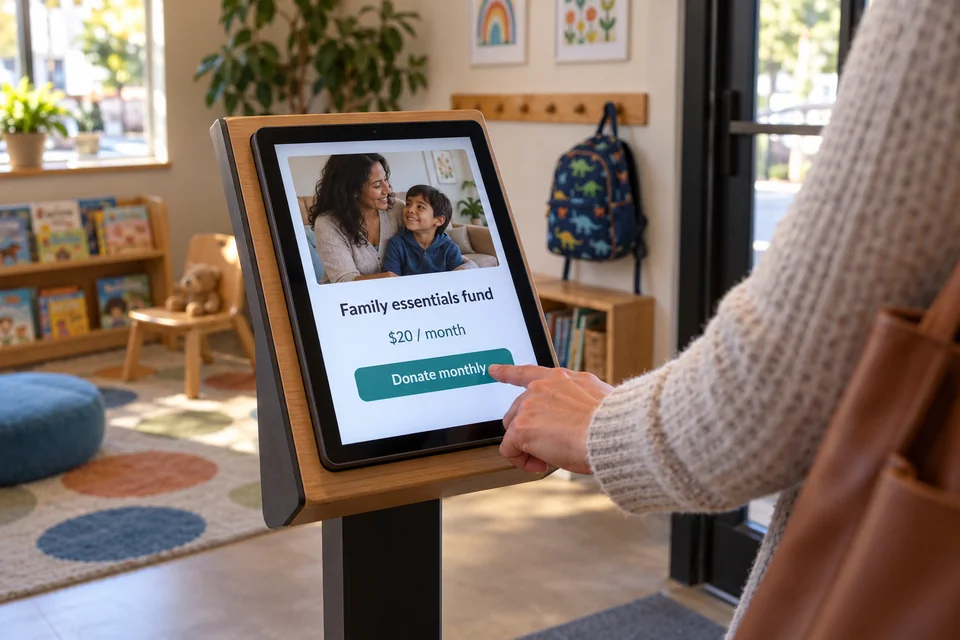
What child welfare donation crowdfunding covers
Child welfare donation crowdfunding brings together two ideas: the wellbeing of children and the habit of giving online. The money raised is meant to improve a child's daily life, whether through a school uniform, a winter coat, specialist equipment, therapy sessions or help for a parent who has lost income and can no longer provide the basics.
It is not the same as a sponsorship programme run by a large charity, where a regular gift is matched with a child in another country. A child welfare fundraiser is usually started by a parent, a relative, a teacher or a friend, and it focuses on one family or one small group with a defined need.
Because children cannot speak for themselves in public, the person who writes the appeal carries a particular responsibility. The best campaigns keep the child's interests at the centre, not the emotional pull of a photograph.
Everyday needs that families raise money for
Most child welfare appeals concern ordinary but pressing costs. A single parent whose hours have been cut may be unable to buy school shoes or pay for a class trip. A family caring for a child with a long-term condition may need a wheelchair, hearing aids, a communication device or transport to hospital appointments. A household hit by bereavement may need help to keep the children in the same school.
Other donations for child welfare go to activities that support development, such as music lessons, a holiday club or tutoring, when these make a real difference to a child who is struggling. Some appeals follow a crisis such as a fire or a flood in which a child's belongings were lost.
- Clothing, food and household basics
- School costs, books and equipment
- Medical, therapy or disability-related equipment
- Support for children after a family breakdown or bereavement
The clearer the link between a donation and a specific need, the easier it is for supporters to judge whether to give.
Protecting a child's privacy in a child welfare appeal
Anything posted online can travel further and last longer than the author expects. A child's face, name, school, medical condition and home area can be copied, searched and combined, and a young person may one day be uncomfortable that a story about their hardship is still visible years later. The UN Convention on the Rights of the Child recognises a child's right to privacy, and it is a useful guide even where no law applies directly.
A careful organiser therefore shares as little as the appeal needs. Use a first name or an initial, or describe the family without naming the child. Choose photographs that do not show a face, or ask the child, if old enough, whether they agree. Remove school logos, number plates and anything that gives away an address.
Medical details deserve special care. Say only what a donor needs in order to understand the need, and leave out diagnoses or family history that are not essential. Platforms generally have their own rules about posting images and information about minors, which change over time and should be read before you publish.
Who should receive the money, and how it is protected
Money raised in a fundraiser for a child should be used for that child. In practice this usually means paying a parent or guardian, but it is wise to say how the money will be spent and, where possible, to pay suppliers directly: the school for fees, the supplier for equipment, the clinic for treatment. Receipts and invoices give donors comfort that funds are going where promised.
For larger sums, families sometimes ask a solicitor or a financial adviser about holding the money in a way that safeguards it for the child's benefit, such as in a trust. Rules differ widely between countries, and anyone considering this should seek proper advice instead of guessing.
Where the appeal is organised by someone who is not a parent, such as a teacher or a neighbour, the parents should agree in writing, and the organiser should say who will hold the funds and who will account for them. Safeguarding is not only about the child; it is also about the integrity of the people handling the money.
Charities, schools and public services alongside a fundraiser
A child welfare fundraiser rarely replaces professional support. In the United Kingdom, charities such as the NSPCC, Barnardo's and Family Action offer advice, services and sometimes grants to families, and schools often have pastoral teams and hardship funds. Local councils run children's services and may be able to point families to help they have not yet claimed.
Many families also qualify for state support such as child-related benefits or free school meals, depending on circumstances. Because entitlement rules change, the sensible step is to ask the responsible authority or an advice service, which may bring a more reliable source of help than a one-off campaign.
In other countries the structure differs, but the principle is the same: a donor-backed appeal sits alongside, and does not replace, public services and established child-focused charities. Mentioning that a family has asked for such help reassures donors and shows the campaign is realistic.
Giving, tax and accountability
A gift for child welfare that reaches a family is, as a rule, a personal gift and carries no tax relief for the giver, since Gift Aid and similar UK schemes are reserved for registered charities. A supporter who wants relief should instead give to a children's charity and check the position with the tax authority.
For the receiving family, the treatment of gifts varies. In some countries gifts to a parent for a child's needs are not taxed, in others limits or reporting duties apply, and they may affect benefits that depend on savings or income. The national tax and benefits authorities are the right place to confirm.
Accountability is the other half. Post updates that show what was bought or paid, with receipts where possible and with the child's identity protected, and close the campaign when the need has been met. Child welfare donation crowdfunding earns trust only when the people running it are open about the money.
Spotting a fake child welfare appeal
A child welfare appeal is among the most copied by fraudsters, because they know how strongly people respond. Fake pages use stolen photographs, make up illnesses or tragedies, or collect money for a family that has never asked for it. Some are posted in the wake of a widely reported event, using the same words as a real campaign.
Look for signs of authenticity before giving. Can you identify the organiser, and do they have a visible link to the family or to a school, club or community group? Is there an independent source, such as a local news report? Does the page explain exactly what the money is for? A vague request that rests on emotion alone is a warning sign.
Report anything that looks wrong to the platform. For appeals run by an organisation, in the United Kingdom you can check the Charity Commission register, and the Fundraising Regulator sets standards for charitable fundraising that you can use to judge whether an approach is responsible.
Helping without exposing the child
Supporters who want to help can do much more than give. Sharing a link responsibly, without copying the child's photograph into public posts, extends the reach of a good appeal. Offering time, such as a lift to appointments or help with homework, may matter as much as money.
Those who prefer not to give to an individual campaign can support a children's charity with a record of safeguarding and transparent accounts. Regular gifts to such organisations help them plan their work for many families rather than one.
Whichever route is chosen, the test is the same: does the support serve the child's wellbeing, keep their dignity intact and leave them better placed to flourish? If the answer is yes, a child welfare appeal has done its job.
Frequently asked questions
Is it safe to post my child's photograph in an appeal?
Think carefully. A published picture can be copied and stay online for years. Many organisers use a first name only, avoid faces and remove school or address details. Read the platform's rules about images of minors before posting.
Who should hold the money raised for a child?
Usually a parent or guardian, but paying suppliers directly gives donors extra confidence. For larger sums, a solicitor or financial adviser can explain safer ways to hold funds for the child's benefit.
Can I claim tax relief when I donate to a family?
Generally not. Relief schemes such as Gift Aid apply to registered charities, not to private households. If you want relief, give to a qualifying children's charity and check the rules with your tax authority.
How do I know a child welfare appeal is genuine?
Check that the organiser can be identified, that a local source or community group confirms the story and that the page states exactly what the money is for. Report doubtful pages to the platform.