Donation crowdfunding in South Africa explained
Donation crowdfunding in South Africa is the use of online fundraising pages to gather gifts from many supporters for a defined purpose, such as a child's operation, a school hall, a rescue after floods or help for displaced families. Supporters give because they believe in the cause and receive no shares, interest or goods.
The country has a strong tradition of collective giving, shaped by stokvels, church collections, burial societies and community drives. Online pages for donation crowdfunding in South Africa extend that habit across provinces and borders, letting a family in Gqeberha be helped by a former neighbour in Johannesburg or a relative in London.
A fair comparison therefore begins with the cause. A registered organisation running an annual appeal has different needs from a household facing sudden medical bills. Comparing donation platforms in South Africa on that basis saves time later, because a platform that suits one purpose may be a poor fit for another.
Donation platforms in South Africa worth knowing
BackaBuddy is a South African crowdfunding service widely used for personal and community causes, from medical costs to sports tours. GivenGain, which has South African roots, is known for charity-focused pages and fundraising around sporting challenges. Together with the pages that charities host themselves, these services make up most of the online fundraising in South Africa that ordinary supporters see.
Thundafund is a local platform used for creative, entrepreneurial and community projects, so organisers should confirm whether a campaign there is a donation or a reward offer. Some charities also run giving pages on their own sites and accept gifts through card or EFT links.
Fees, eligibility checks and payout times differ by provider and change over time. Read the current terms on each platform's own pages, and ask the support team about anything unclear before you publish a link.
Nonprofit registration and what it signals
Nonprofit organisations in South Africa fall under the Nonprofit Organisations Act 71 of 1997, administered by the NPO Directorate in the Department of Social Development. Registration is voluntary, but it brings recognition and reporting duties, and many funders and platforms prefer to work with registered organisations.
Some nonprofits are incorporated as non-profit companies and are registered with the Companies and Intellectual Property Commission, while others are trusts overseen by the Master of the High Court. A donor can ask which structure applies and request the registration number.
A personal fundraiser is not a nonprofit organisation. Pages for individuals work on trust, so clear photographs, medical or school documents shared appropriately and a named recipient matter more than any badge. Anyone planning donation crowdfunding in South Africa for a family cause should gather these documents before the page goes live, because supporters tend to ask for them within the first days.
Section 18A receipts on South African donation platforms
Tax relief is where the choice of platform becomes decisive. Under section 18A of the Income Tax Act, donations to certain public benefit organisations approved by the South African Revenue Service may be deductible for the donor, within limits set out in the law, if a compliant receipt is issued.
Only an organisation that holds public benefit status and section 18A approval can issue such a receipt. A platform that passes on donor details and the organisation's receipt makes life easier for supporters who file returns, while a personal page cannot offer the benefit. For that reason, many organisations choose South African donation platforms that can connect gifts to proper receipts.
Anyone who claims should keep the receipt and check the current conditions on the SARS website, since thresholds and rules are amended from time to time.
Appeals for refugees and displaced people
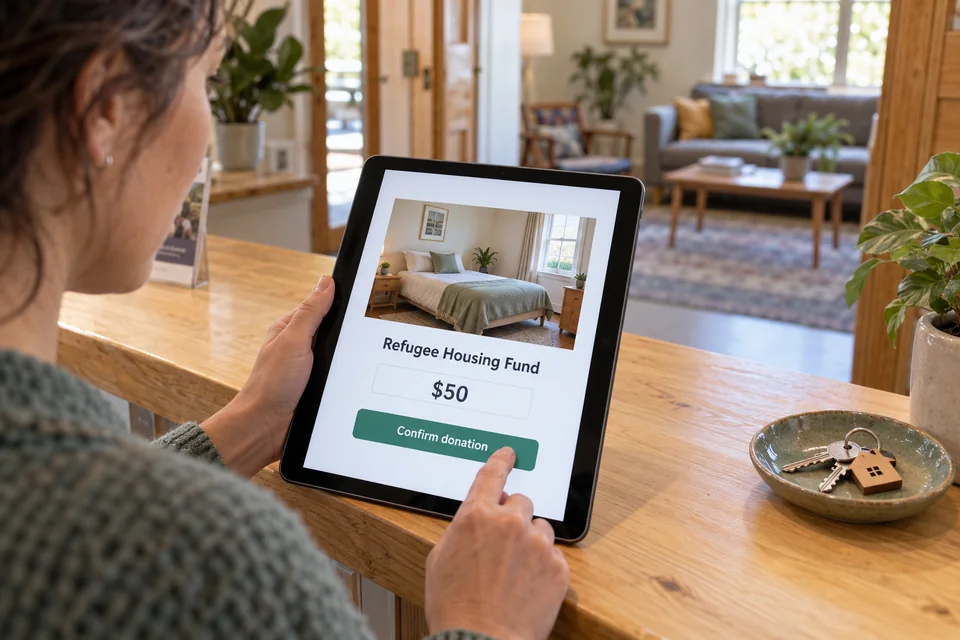
South Africa hosts refugees and asylum seekers from across the continent, and appeals for food parcels, rent support and school fees circulate regularly. Reputable examples of established organisations include Gift of the Givers, a South African humanitarian charity, and the Scalabrini Centre of Cape Town, which assists migrants and refugees.
Before giving to a campaign for displaced people through any of the donation platforms in South Africa, check who will receive the funds and in what form. A page that names a registered organisation, explains the support it provides and shows how past gifts were used is easier to trust than a general call for help.
Individual refugee families sometimes fundraise directly. In that case, look for verification by a known community group or church, and consider giving to the organisation that supports them instead if you cannot confirm the details. Appeals of this kind also attract copycats, and a verified link to a recognised charity is the safest route for supporters who cannot judge a stranger's story.
Local payment methods that matter
Card payments work for many donors, but donation platforms in South Africa should also respect local habits. Instant EFT lets supporters pay straight from their bank account without typing card details, and QR-code wallets such as SnapScan and Zapper are familiar at shops and may appear as an option on some pages.
Traditional EFT remains common for larger gifts, with the reference number used to match a deposit to a campaign. Organisers who accept direct deposits should record each payment and publish regular updates so donors can see their gift arrive. Remember too that mobile data costs and patchy connections affect many supporters, so a light page that loads quickly will raise more goodwill than a heavy one.
Currency matters for supporters abroad. Ask the platform whether the donor sees the exchange rate before paying and when the converted rand amount reaches the recipient's account.
Fraud checks for crowdfunding platforms in South Africa
Scammers copy real appeals and change the banking details. Check that the account holder named on a page matches the person or organisation described, and be careful with pages that urge immediate action or accept only unusual payment routes. These checks matter on every one of the crowdfunding platforms in South Africa, large or small.
The Protection of Personal Information Act governs how names, addresses and identity numbers are handled, and the Information Regulator deals with complaints. Share only what is needed on a public page and avoid posting identity numbers or children's full names.
If you suspect fraud, report it to the platform, inform your bank and open a case with the South African Police Service. Keeping screenshots and the payment reference will help any investigation.
Making a practical choice
Start from the beneficiary. A registered public benefit organisation should value receipts, reporting and recurring gifts. A family needs a simple page, fast verification and a payout to the right bank account.
Compare at least two services on charges, payout speed, support quality and whether a donor can see a running total and updates. Then make a small test donation to see the experience a supporter would have. For causes that depend on regular support, such as a feeding scheme, look at whether a monthly gift can be set up.
Because laws and tax rules change, confirm the current position with the NPO Directorate and SARS before you launch, and keep clear records of everything raised and spent.
Frequently asked questions
Can I get a tax deduction for donating through a crowdfunding page?
Only if the recipient is a public benefit organisation approved by SARS under section 18A and it issues a compliant receipt. Gifts to private individuals are not deductible, so ask for the receipt and read current SARS guidance.
Does an organisation have to be a registered NPO to fundraise online?
Registration with the NPO Directorate is voluntary, but it adds credibility and is often requested by platforms and funders. Individuals can raise funds without it, although supporters should then rely on the page's evidence and updates.
Which payment methods can supporters usually use?
Platforms commonly accept bank cards, with many also offering instant EFT, manual EFT or wallet payments. Options differ by provider, so check the checkout page and test one small payment before sharing the link.
What should I do if I think a refugee appeal is fake?
Stop giving, report the page to the platform, tell your bank and contact the South African Police Service. If you want to help, support an established organisation whose registration you have verified.