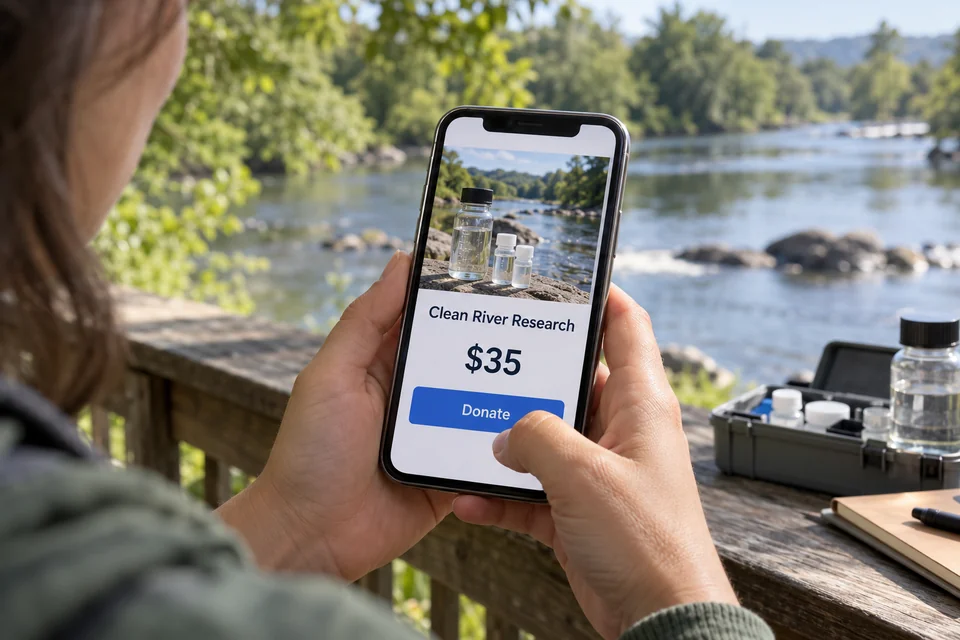
What conservation crowdfunding is
Conservation crowdfunding is a form of online giving aimed at looking after the natural world. A campaign may seek money to buy a meadow that is about to be ploughed, to restore a peat bog, to plant native hedgerows, to protect nesting birds on a beach or to pay for a survey of an endangered species. Donors give because they value what will be protected, and they expect no personal gain.
The approach differs from environmental investment. A green company may sell shares or bonds and promise a return, but environmental donation crowdfunding offers none. The reward is an outcome that supporters share with everyone else: a living landscape that remains open to wildlife and, in many cases, to visitors.
Campaigns are often short and visual, built around a single habitat or species. Behind the photographs, though, sits slow work: surveying, negotiating with landowners, obtaining permissions and managing the land for years after the money has been spent. A hedgerow needs cutting at the right season, a pond needs clearing and a reserve needs wardens, so the best appeals describe ongoing care and not only the first purchase.
Who raises money for nature
Many kinds of group run conservation crowdfunding. Established nature charities, such as the county wildlife trusts, the RSPB and the National Trust, run appeals for reserves and species work. Smaller local organisations include friends-of-the-park groups, river trusts, community orchard projects and conservation societies. University researchers and field scientists sometimes seek public support for studies that conventional grants do not cover.
Registered charities appear on the register of the relevant regulator, which in England and Wales is the Charity Commission, in Scotland OSCR and in Northern Ireland the Charity Commission for Northern Ireland. Conservation and environmental protection are recognised charitable purposes, and a donor can use the register to find a charity's accounts and trustees.
An informal volunteer group can also fundraise, but it should be open about its legal status, hold the money in a bank account in the group's name and avoid implying charitable standing it does not have.
Nature conservation fundraising for land and habitat
Nature conservation fundraising for land is a particular case. Buying or leasing land, or paying for work on it, raises questions about ownership, access and long-term management that a simple online page cannot answer by itself. A credible appeal explains who will own the land, who will manage it, how it will be protected for the future and what happens if the organisation can no longer look after it.
Statutory designations and licences add further layers. A Site of Special Scientific Interest, for example, carries legal protection, and work affecting protected species can require a licence from the statutory nature body, such as Natural England in England. A campaign involving such sites should show that it understands the permissions.
Landowner agreement is essential for any project on private ground. Anyone making wildlife conservation donations is entitled to know whether the owner has consented in writing, whether the improvements will remain in place for a meaningful period, and whether the group has the skills and equipment to manage the site once the appeal has closed.
Conservation crowdfunding for research and citizen science
Public-benefit research is another strong field for conservation crowdfunding. Surveys of insects, bats, seabirds or river quality can be expensive and rarely attract large grants. Small gifts from many supporters may pay for equipment, travel and laboratory work, particularly where the researchers can explain clearly what question they are asking and why it matters.
Good research appeals describe the method, say who is leading the work, name the institution or charity supporting it and explain how results will be shared. Findings published openly or passed to conservation bodies serve the public interest, while results kept private do not.
Citizen science projects, in which volunteers record sightings or sample water, can combine fundraising with participation. Supporters sometimes become contributors, and the dataset they help build may be used by researchers and planners for years.
Donations, Gift Aid and what supporters receive
Wildlife conservation donations to a registered environmental charity can usually attract Gift Aid when the donor is a UK taxpayer and has completed a declaration. The charity claims the tax from HMRC, which adds value to the gift. A donation to an informal group or an individual researcher is generally not eligible, and the organiser should not suggest otherwise.
Supporters sometimes receive a thank-you card, a newsletter or a name on a donor board. Small tokens of that kind are normal. If the benefit becomes substantial, however, it may affect both Gift Aid and the idea that the contribution is a donation, so the details should follow HMRC guidance.
Conservation giving should be kept separate from carbon or biodiversity claims. A campaign should not promise a particular environmental outcome unless the organisation can explain the method and the evidence behind it.
Platforms and good campaign practice
Conservation crowdfunding may run through a group's own website or through platforms such as JustGiving, GoFundMe and Crowdfunder. Some charities use their own donation systems to keep supporter data and avoid fees. Compare how quickly funds are released, what happens when a target is missed and how Gift Aid is handled before opening a page.
A strong campaign has a precise target, a timetable and an honest account of risk. Weather, planning decisions and the behaviour of wild animals cannot be controlled, and a campaign that acknowledges this earns more trust than one promising certain results.
Updates matter. Share photographs of progress, report on what was achieved and be candid when something fails. A supporter who sees a hedge growing or a pond filling is far more likely to give again, and photographs taken at the same spot across the seasons show change better than any statement.
Greenwashing and other warning signs
Environmental donation crowdfunding can attract inflated claims, because green language is easy to borrow and hard to verify. Be wary of appeals that promise to offset an unspecified harm, claim huge benefits without evidence, or use striking photographs that are not connected to the project. A real conservation organisation can say where the work will happen, who will do it and how its success will be measured.
Fraudsters also imitate nature charities. Check the register of charities, type the organisation's web address yourself and be cautious of anyone requiring payment by gift card or private transfer. If a page has no named organiser, treat it with care.
The rules on charity registration, fundraising, land and wildlife licensing change over time. The charity regulators, the Fundraising Regulator, HMRC and the statutory nature agencies publish current guidance, and organisers should read it before they start.
Frequently asked questions
Is conservation crowdfunding an investment?
No. Donations to conservation are gifts. Supporters receive no share of profit, no interest and no ownership, and the money is not repaid. Any claim of financial return suggests a different, regulated kind of fundraising.
Can I claim Gift Aid on a conservation donation?
Yes, if the charity receiving the money is able to claim it and you are a UK taxpayer with a signed declaration on file. Gifts passed to individuals or informal groups are not eligible. Current conditions are set out in HMRC guidance.
How do I know a land purchase appeal is genuine?
Look for the owner's identity, written agreement on the sale or lease, and a plan for long-term management. Check the organisation on its regulator's register and ask how the land will be protected if the group closes.
What happens if the target is not reached?
It depends on the platform and the campaign terms. Some return gifts, others pass on whatever was raised. A responsible organiser explains the plan for a shortfall before accepting any donation.