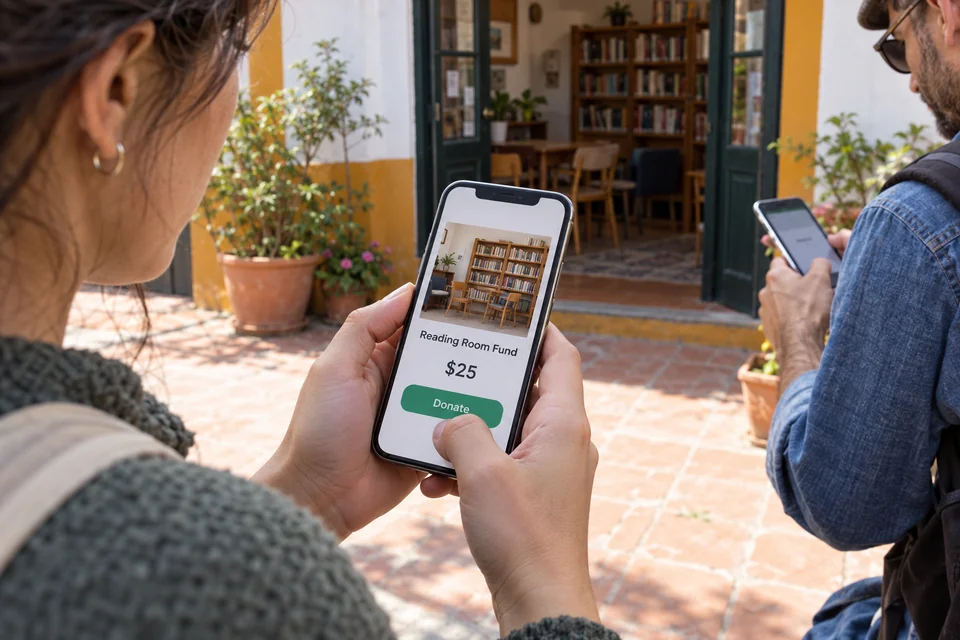
Donation platforms in Singapore and how they are used
Donation platforms in Singapore are websites and apps where a person can pick a charity or a campaign, give by card or digital payment and receive confirmation, while organisers use the same services to run appeals, share updates and report totals. Donors receive nothing in return, which separates this model from equity or loan crowdfunding.
Singapore is a compact and highly connected city-state, so online giving works smoothly. People support causes through workplace drives, school fundraisers, sporting events and festive-season campaigns, and a page link shared in a messaging group can reach thousands of people in hours.
Because the sector has many registered charities, a fair comparison of donation platforms in Singapore starts with the kind of organisation behind each campaign.
Crowdfunding for personal needs exists too, though the supporting structures are lighter than for registered charities. Readers who want to understand donation crowdfunding in Singapore should note that the label covers everything from a school bake sale page to a national appeal.
Charity portals in Singapore and the official register
The Commissioner of Charities oversees charities under the Charities Act 1994, and the official Charity Portal lets anyone look up registered charities and organisations granted Institution of a Public Character status. It is the first place to check whether a name is genuine.
Charity portals are not all the same. The official portal is a register and information source, while other portals work as marketplaces where donors can give. Mixing up the two is a common mistake, so confirm that the organisation shown on a giving page appears on the official register.
The Charity Council, a body that promotes good governance in the sector, publishes a Code of Governance, and charities that follow it are better placed to answer donor questions.
A short check takes a minute: search the name, read the stated purpose and note whether the organisation has IPC status, which affects tax receipts discussed below.
Singapore donation platforms: Giving.sg, Give.asia and more
Two names dominate. Giving.sg is a national platform maintained by the National Volunteer and Philanthropy Centre and features many registered charities and campaigns, while Give.asia, based in Singapore, hosts campaigns across the region. Between them they cover what most residents have in mind when they think of Singapore donation platforms.
The Community Chest, known as ComChest, raises funds for social service agencies and has long been associated with national fundraising events. Many charities also operate their own donation pages with card or PayNow links. These charity portals in Singapore overlap in function, yet each has a different audience.
Features, eligibility rules, charges and payout terms change, so read each provider's current terms before you commit. A platform that explains how it checks campaigns, what happens if a campaign ends early and how donors can contact support deserves more trust than one that does not.
IPC status and tax deductions
Tax treatment is a key reason to compare Singapore donation platforms. Donations to an Institution of a Public Character, a charity authorised to issue tax-deductible receipts, can qualify for a tax deduction from the Inland Revenue Authority of Singapore, according to the rules in force.
Donors usually provide their NRIC or FIN when they give, so that the organisation can submit donation data to IRAS and have it reflected in the donor's tax records. Anyone who does not want that should tell the charity at the time of giving.
Gifts to individuals, and to organisations without IPC status, normally do not carry this benefit. IRAS publishes the current conditions and eligible categories, and a donor should read them before assuming a deduction.
Companies that give may find separate rules on deductions, so a finance team should check IRAS guidance before announcing a matching or sponsorship scheme.
Rules for online fundraising in Singapore
Charities and IPCs conducting fund-raising appeals must follow regulations that set expectations on conduct, disclosure and record-keeping. Organisers who are not charities should still be transparent about purpose and spending, which matters for any online fundraising in Singapore.
Appeals for causes outside Singapore are separately regulated. The Fund-Raising for Foreign Charitable Purposes Act requires permission from the Commissioner of Charities in certain cases, and anyone planning a campaign for an overseas disaster or community should ask the authorities first.
Street and door-to-door collections raise their own permit questions. Rules and the responsible agencies are updated from time to time, so confirm the present position with the Commissioner of Charities before launching.
PayNow, cards and wallets
On most donation crowdfunding in Singapore, donors expect fast and familiar payment choices. PayNow, linked to a mobile number or QR code, lets people give straight from their bank app, and cards and wallets such as Apple Pay, Google Pay and GrabPay may also be offered. Some charities still welcome GIRO for monthly giving.
Check the checkout screen for the amount, any tip to the platform and the name of the beneficiary before you confirm. If an organiser shares a PayNow QR code, make sure the recipient name displayed by your banking app matches the charity or person described.
Supporters abroad should look for clear currency information, because exchange rates and bank charges can reduce the amount received.
Festive periods, such as Ramadan, Chinese New Year and Deepavali, bring seasonal appeals, so expect payment pages to be busy and keep your confirmation message.
Staying alert to scams on donation platforms in Singapore
Scammers targeting online fundraising in Singapore copy charity logos, create lookalike pages and ask for payment by transfer to a personal account. A genuine appeal will have a named organisation, a verifiable registration and contact details that match the official register.
The ScamShield app and the Anti-Scam Centre of the Singapore Police Force offer guidance, and suspected fraud can be reported to the police and to your bank without delay. Never share one-time passwords or banking credentials with a fundraiser.
Personal data collected by organisers is governed by the Personal Data Protection Act, and the Personal Data Protection Commission handles complaints. Provide only the details that are needed for the gift.
A final habit helps: if a request arrives by message, close it and open the charity's website yourself. That is the surest way to avoid a lookalike on donation platforms in Singapore.
Making a sound choice
If you want a tax receipt, choose one of the donation platforms in Singapore that supports IPC donations and passes your details securely. If you are raising money for a friend or a small project, compare ease of setup, support and how quickly funds can reach a Singapore bank account.
Look at the transparency features of each service. Campaign updates, running totals and an explanation of how charges are applied tell you more than a promotional banner.
Whatever you pick, keep a record of the confirmation and revisit the campaign after the target is reached. Charities that report back on what a gift achieved show respect for the people who funded it.
Frequently asked questions
How can I confirm that a Singapore charity is genuine?
Search the official Charity Portal for the name and check whether it is registered and whether it has Institution of a Public Character status. Compare those details with the giving page before you pay.
Will I get a tax deduction for my gift?
Only if the recipient is an Institution of a Public Character, and only if you provide the details needed for IRAS records. Gifts to individuals are not deductible, so read current IRAS guidance.
Can I raise money in Singapore for a cause overseas?
Possibly, but appeals for foreign charitable purposes can need permission under the Fund-Raising for Foreign Charitable Purposes Act. Ask the Commissioner of Charities for the current requirements before you start.
What should I do if I suspect a fake donation page?
Do not pay, and report the page to the platform and your bank. You can also seek advice from the Singapore Police Force and use the ScamShield app. Keep screenshots and any message you received.