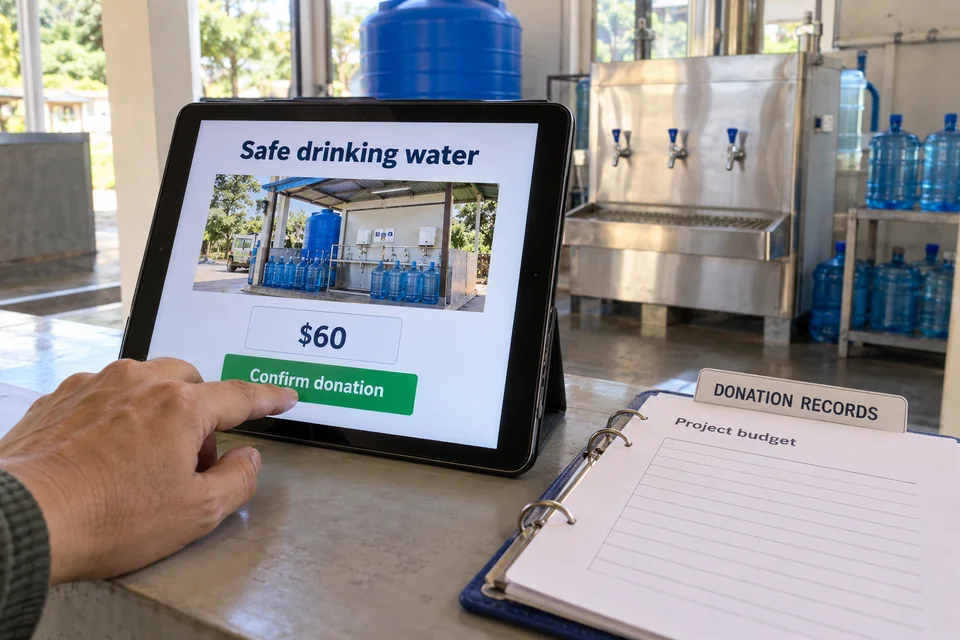
Why the fundraising rules form a patchwork
UK donation crowdfunding rules are not collected in one statute. They are a patchwork in which charity law, consumer protection, tax law, data protection and a self-regulatory code each cover a different part of an appeal. Someone who opens an online page and asks strangers for money for a cause is therefore dealing with several rule sets at once, even if the page looks as simple as a photograph and a donate button.
The first question is always who the money is for. A registered charity that asks for donations is bound by charity law and by the standards of fundraising practice. A private person raising money for a friend, a neighbour or a personal emergency is not a charity and does not have charitable status, which changes the tax treatment and the level of oversight, though the duty to be honest with donors still applies in full.
The United Kingdom also has three separate charity regimes. England and Wales, Scotland and Northern Ireland each have their own charity regulator and their own register, and a fundraiser who works across borders needs to check which one applies to the charity named on the page. Anyone reading about donation crowdfunding rules for the whole country should keep that split in mind.
Who regulates online appeals
Charity registers across the UK are kept by three bodies: OSCR, the Scottish Charity Regulator, the Charity Commission for Northern Ireland and the Charity Commission for England and Wales. Each maintains a public register, so a donor can confirm that a charity is real, find its stated purposes and open the accounts it has filed.
Fundraising behaviour is handled by the Fundraising Regulator, an independent body that sets and enforces the Code of Fundraising Practice for charities that choose to sign up and, in practice, for most of the sector. The Code deals with how appeals are worded, how donors are treated and how complaints are resolved. The Fundraising Regulator also runs the Fundraising Preference Service, which lets people ask charities to stop contacting them.
Advertising claims sit with the Advertising Standards Authority, while the Information Commissioner's Office supervises how supporter data is collected and used. These bodies do not replace one another, so a complaint about a misleading appeal and a complaint about misused donor emails may travel to different places. Together they shape the fundraising rules that online appeals have to respect.
Disclosure that online appeals owe donors
Disclosure is the heart of the matter. A donor should be able to tell, from the page alone, who is asking, what the money will be used for and what happens if more is raised than needed. Charity law and the Code of Fundraising Practice both point towards clear statements about the beneficiary and the charitable purpose.
Where a charity or a commercial business is involved in the appeal, the relationship must be plain. A company that runs a promotion and passes part of its takings to a charity is known in law as a commercial participator and has to explain how the donation is calculated. Professional fundraisers who are paid to solicit on behalf of a charity are expected to say so. These disclosure duties apply to online appeals just as they do to a leaflet or a street stall.
- Name the person or charity that will receive the funds, including the registered charity number where there is one.
- Describe the purpose in words that match how the money will really be spent.
- Explain what happens to any surplus, for example a transfer to a related cause.
- Say whether the organiser is a charity, a company, a community group or an individual.
Gift Aid and what it does not cover
Gift Aid is the British scheme through which a charity can reclaim tax from HM Revenue and Customs on a qualifying donation made by a taxpayer. It matters because it allows a gift to be worth more to the charity without costing the donor anything extra. The donor must make a declaration, and the charity must be recognised for tax purposes.
Gift Aid applies to gifts to charities, not to gifts to individuals. A donation to a personal fundraiser for medical bills or a family emergency is a gift to a person, so the charity route and its tax relief do not apply. This is a stable principle, and it is one reason why a page that blurs the line between a charity appeal and a private appeal can mislead supporters.
Because tax rules are revised from time to time, organisers should read the current guidance published by HM Revenue and Customs on Gift Aid and charity tax relief rather than rely on an old summary. Tax relief is a separate matter from the fundraising rules that govern conduct.
Platforms commonly used in Britain
Several platforms are well known to British supporters. JustGiving lets people fundraise for registered charities and passes donations on to them. GoFundMe is widely used for personal and community causes, and Crowdfunder serves local projects and community ventures. Localgiving focuses on small local charities, and Big Give runs matched-funding campaigns in which charities compete for pledged money within a set window.
These platforms differ in who may receive money, how funds are paid out and what checks they run on organisers. A page that raises money for a registered charity usually routes funds directly to that charity, while a personal page pays out to the named organiser. Reading the terms of the chosen platform before launching is part of responsible practice, because those terms govern refunds, payout timing and what happens if a campaign is reported. Each platform also applies its own safeguards on top of the legal charity fundraising rules.
Mobile payment methods such as card payments, Apple Pay and Google Pay are common, and bank transfers through the Faster Payments system are familiar to most UK givers.
Raffles and collections: extra fundraising rules
Many appeals add a prize draw or a raffle to boost interest. In Britain, lotteries and raffles are governed by gambling law and overseen by the Gambling Commission, with small society and charity lotteries subject to their own conditions. A fundraiser who offers a prize in return for entry is no longer running a pure donation appeal, and should check the lottery rules first.
Collections in public places and door-to-door fundraising need permission from the local authority or the police, depending on the area, and the Code of Fundraising Practice applies to the people who carry them out. Online fundraising does not remove those duties when an appeal also has a physical side, such as a street collection promoted through the same page. Knowing which charity fundraising rules reach a mixed appeal avoids surprises later.
Events like sponsored walks, bake sales and quiz nights are usually simple to run, yet organisers should still keep donations separate from personal money and pay them to the intended beneficiary without delay.
Keeping records and avoiding common mistakes
Good records protect everyone. A volunteer who runs an appeal should keep a log of money received, the date it was passed on and the person who received it, along with any receipts for costs that were deducted. If a donor or a regulator asks questions months later, a clear record settles the matter quickly.
The most frequent mistakes are easy to avoid. Appeals sometimes promise more than the money can achieve, mix several causes on one page, or keep funds after the original need has passed. Others fail to mention that a platform keeps a charge or that a payment processor takes a fee, leaving donors with the impression that every pound goes to the cause. Clear wording keeps donation crowdfunding honest and helps later online appeals earn trust.
To check a particular charity, begin with the register for its part of the UK. The Fundraising Regulator handles complaints about how charities raise money. If you suspect a scam, Action Fraud takes reports across England, Wales and Northern Ireland, and in Scotland the matter goes to Police Scotland.
Frequently asked questions
Do I need to be a registered charity to run a donation appeal in the UK?
No. Private individuals and community groups can ask for gifts online. Only an organisation that is a charity can claim charity status and Gift Aid, so personal appeals should not suggest otherwise. Registration rules differ between England and Wales, Scotland and Northern Ireland.
Can Gift Aid be claimed on a donation to a personal fundraiser?
No. Gift Aid applies to qualifying donations to charities and community amateur sports clubs. A gift to a named individual is a personal gift, so the scheme does not apply. HM Revenue and Customs publishes the current conditions.
Who handles complaints about charity fundraising behaviour?
The Fundraising Regulator deals with complaints about fundraising practice by charities, once the charity has had the chance to respond. Misleading adverts can go to the Advertising Standards Authority, and data concerns to the Information Commissioner's Office.
What should I do if I think an appeal is fraudulent?
Stop giving, keep the page address and any messages, and report it to Action Fraud, or to Police Scotland if you live in Scotland. You can also report the page to the platform hosting it so that payouts can be reviewed.