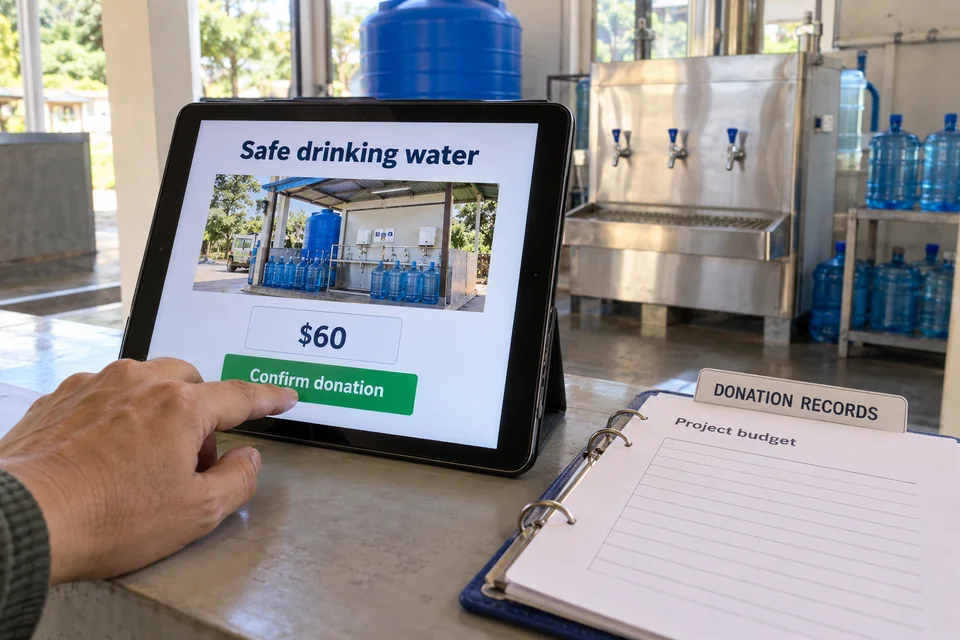
Donation crowdfunding in Britain: what it is and what it is not
Donation crowdfunding in Britain is a way of asking a crowd for gifts online, where people give because they believe in the cause and are handed no stake, interest payment or product. That distinguishes it from investment crowdfunding, which falls under financial services rules, and from reward platforms where backers are promised something tangible.
The tradition behind it is long. Sponsored walks, charity shops, church fetes, Comic Relief nights and the poppy appeal all taught the public to give in small amounts to many causes. Online fundraising took the sponsorship form and moved it to a web page that friends can share in seconds, which is why marathon runners, bake sales and memorial funds sit alongside formal appeals.
Registered charities and the three regulators
There is no single charity regulator for the whole United Kingdom. The Charity Commission for England and Wales keeps the register for that jurisdiction, the Scottish Charity Regulator, known as OSCR, covers Scotland, and the Charity Commission for Northern Ireland covers Northern Ireland. Each publishes a searchable register, and a registered charity normally displays its charity number on its website and appeals.
A donation crowdfunding organiser who is not a charity is in a different position. A group of friends collecting for a hospice is raising money for a charity, and the money should go to that charity. A family raising money for a relative's needs is making a private appeal, and the law on charities does not apply to it in the same way. Asking whether the money is going to a charity, or to a person, is the first question to settle.
Small community groups sometimes use a charity with a similar purpose to receive the funds. This keeps the money within a regulated body and gives donors a clearer picture of who is accountable.
Gift Aid and how tax relief works for crowdfunded donations
Gift Aid is the best-known tax feature of British giving. When a UK taxpayer makes a gift to a registered charity and signs a Gift Aid declaration, the charity can claim an additional amount from HM Revenue and Customs on top of the gift, at no cost to the donor. The donor must have paid enough UK tax for the gift to be covered, and the declaration should be honest and current.
Gift Aid in donation-based crowdfunding belongs to charities and to certain community amateur sports clubs. It does not generally apply to a private campaign for a person, because that is not a gift to a charity. Many online fundraising platforms handle the declaration inside the checkout, but when a page is not linked to a charity, the box simply will not appear.
Higher-rate taxpayers may be able to claim further relief through their own tax return, and payroll giving schemes let employees give straight from their pay. HMRC's guidance on charitable giving is the place to confirm the current rules, since they are updated from time to time.
How the Fundraising Regulator and the law shape online fundraising
Fundraising Regulator is the independent body that sets and enforces the Code of Fundraising Practice in England, Wales and Northern Ireland, with Scotland following its own self-regulatory arrangements through the Scottish Fundraising Standards Panel. The code expects charities to be honest, to treat supporters fairly, to respect their wishes about contact and to handle complaints properly.
Data protection also matters. Charities that email or text supporters of their online fundraising have to follow the UK GDPR and the Privacy and Electronic Communications Regulations, which set out how consent and marketing preferences work. The Information Commissioner's Office publishes guidance for charities on this subject.
Prize draws and raffles run alongside an appeal need care. Gambling law applies to lotteries, and the Gambling Commission explains when a small society lottery or a free prize draw is permitted. A charity should read that guidance before promising a prize.
UK platforms for donation crowdfunding
JustGiving is probably the most familiar name for charity sponsorship, and it lets a supporter create a page for a challenge such as a marathon or a head shave and send gifts to a chosen charity. Enthuse, which took over the old Virgin Money Giving service, serves charities that want their own branded pages. Localgiving connects small local charities with donors, and Big Give runs match-funding campaigns where pledges from supporters can unlock extra money.
GoFundMe operates in the UK for personal donation crowdfunding appeals as well as charity pages. Crowdfunder UK is widely used for community projects and crowdfunded donations, particularly ones with a local or public benefit, and offers both donation and reward style campaigns, so organisers should check which model is being used.
British donors pay by debit card, bank transfer or digital wallets such as Apple Pay and Google Pay. A donor who wants to give by text message can do so for charities that have signed up to a text-giving service, but should confirm the number from the charity's own materials.
Community, disaster and local appeals in Britain
Crowdfunded donations here have a distinctive local flavour. Village halls, community-owned pubs, youth football clubs, mountain rescue teams and lifeboat stations rely on small donations from the people they serve. Foodbank collections, school fundraising and fundraising for a local hospital ward turn up in neighbourhood groups and on parish noticeboards as readily as on a platform.
National emergencies show how quickly generosity can organise. The Disasters Emergency Committee brings together major UK aid charities for joint appeals, and television and radio broadcasters promote them. For a donor, a joint appeal from established agencies is a very different proposition from an unknown page that appears overnight.
Memorial funds are a particularly sensitive category. Families often ask for gifts to a named charity in place of flowers, and the funeral director or charity can usually set up a tribute page that sends money directly to the charity.
Spotting scams in donation crowdfunding
The national fraud reporting service for England, Wales and Northern Ireland, and Police Scotland, receive reports of fake charity appeals. Fraudsters create copies of genuine pages, use stolen photographs and push for quick payments by transfer. A genuine appeal will name its charity, quote a charity number and be easy to confirm independently.
A donor can check the register of the relevant charity regulator, search the charity's own website, and look at whether a fundraising page links to a recognised platform. A page that asks for money to go into a personal account while claiming to help a named charity is a serious red flag.
The Fundraising Regulator also operates a register of fundraising organisations that have signed up to its standards, and many charities display its badge. Reports of misleading fundraising can go to it, to the relevant charity regulator or to Trading Standards.
Planning a crowdfunded donation campaign responsibly
An organiser should decide early whether the money will go to a charity or to a person, who will hold the funds and how updates will be shared. Keeping a simple record of what was raised and spent, with receipts, helps if supporters ask questions.
Donation crowdfunding platforms usually deduct a service charge and payment-processing costs, and these differ between sites, so the organiser should read the terms rather than guess. Tax treatment of money received by an individual is a matter for HMRC and a qualified adviser, and rules change, so current guidance should always be checked.
Supporters of online fundraising can help by giving in a way that is traceable, by asking questions politely and by staying alert when emotions run high.
Frequently asked questions
Can I claim Gift Aid on a personal crowdfunding page in the UK?
Generally no. Gift Aid applies to gifts made to registered charities and certain eligible sports clubs by UK taxpayers who sign a declaration. A donation to a person is a private gift. HMRC explains the current rules for donors and charities.
How do I check whether a UK charity is genuine?
Look the charity up in the public register that covers its nation, then compare the registration number shown there with the one printed in the appeal. Reach the fundraising page by following a link from the charity's own website, not from a message or advert.
Who regulates charity fundraising in the United Kingdom?
Charity regulators oversee registered charities in each nation, and the Fundraising Regulator administers the Code of Fundraising Practice for much of the country. Data use falls under the Information Commissioner's Office, and gambling rules under the Gambling Commission.
What should I do if I suspect a fake fundraising appeal?
Do not send money. Report the page to the platform, then report suspected fraud to the national fraud reporting service, or to Police Scotland if you are in Scotland. Misleading charity appeals can also be raised with the relevant charity regulator.