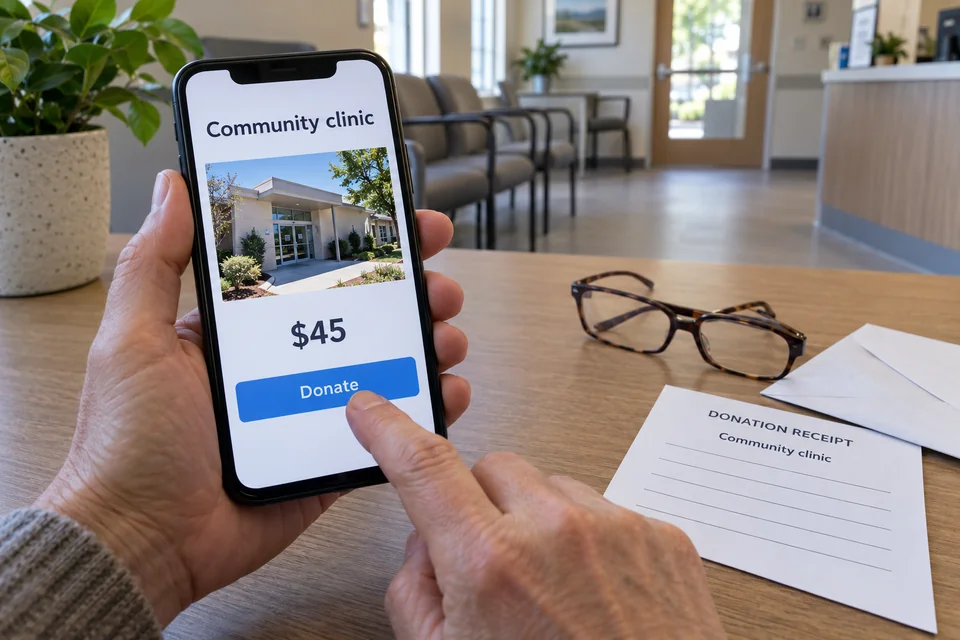
What donation crowdfunding platforms in Zambia offer a giver
Donation platforms in Zambia are websites and mobile services that collect gifts from many supporters towards one stated purpose: a clinic roof in a rural district, school fees for a bright pupil, funeral costs for a bereaved family or equipment for a community group. The giver receives no shares, no interest and no product. The only return is the knowledge that a need was met.
That sets the activity apart from lending and investing. Money given to a personal appeal is a gift, and it is normally not refundable if the appeal ends early. A giver who wants repayment, or a stake in a business, is looking at something different and should treat it under a separate set of rules and risks.
Zambia has a long tradition of shared support, from church collections to neighbourhood contributions at funerals and wedding committees. Online fundraising in Zambia extends that habit to relatives in Lusaka, Ndola or Kitwe, and to family members working abroad who want to help without waiting for a visit home.
Projects versus direct giving: two different choices
On giving platforms in Zambia, the first comparison is not between brands but between two kinds of recipient. Project giving sends money to a registered organisation that runs a defined programme, such as a borehole scheme, a girls' education project or a health outreach. Direct giving sends money to an individual or a family who has described a personal emergency.
Project platforms usually vet the organisations that apply, ask for documents and require reports after funds are used. Direct giving relies far more on the giver's own judgement, because a story told in a few paragraphs is difficult to check from a distance.
A practical rule: the more distant you are from the recipient, the more you should lean towards an organisation with a track record and a verifiable registration. When you know the family personally, direct giving can be reasonable, provided you confirm the request through someone you trust.
Mobile money and payouts on donation platforms in Zambia
For most households in Zambia, mobile wallets matter more than bank accounts. MTN Mobile Money and Airtel Money are widely used for everyday payments. A service for crowdfunding in Zambia that can pay out to a mobile wallet, or at least to a local bank account in kwacha, is far more useful to a recipient than one that only pays into a foreign card account.
Ask before you give: in which currency does the recipient receive the money, and who bears the conversion cost? Funds raised in a foreign currency are converted at some point, and the exchange rate and any processing charge reduce what finally arrives. Read the platform's published fee schedule rather than relying on a figure quoted in a forwarded message.
Check also whether the organiser can withdraw only after a goal is reached or at any time. Some services release money as it arrives, others hold it until a target date. Neither is automatically better, but the rule should be stated clearly before you contribute.
Which platforms for online fundraising in Zambia are reachable
Availability of donation crowdfunding platforms in Zambia differs from one service to another. Some international fundraising websites accept donors from almost anywhere but allow campaign organisers and withdrawals only in a limited list of countries. Zambia is not always on that list, so a Zambian organiser may need to work through a registered partner abroad or a charity that already holds an account.
Project-focused marketplaces such as GlobalGiving list charities from many countries and review them before they appear, which is useful when you want to support a Zambian organisation from outside the country. Local mobile campaigns, run through a church, a school committee or a social media group, are common but sit outside any formal platform and offer no independent review.
Before choosing, open the platform's help pages and look for three things: whether Zambian organisers are accepted, how funds reach Zambia and what happens if a campaign turns out to be false. If those answers are missing, treat that silence as information.
Checking a Zambian charity or organiser
Organisations that run projects in Zambia can be registered in several ways. Non-governmental organisations register under the country's NGO legislation, companies and business names are recorded by the Patents and Companies Registration Agency, usually called PACRA, and societies such as churches and clubs are registered with the Registrar of Societies. Asking for the registration number and the name of the registering body is a normal request.
Look for signs of a working organisation: a physical address, named officers, annual accounts, photographs that show real progress and a contact who answers questions. Be wary of appeals that arrive only through private messages, that use pressure such as a closing deadline, or that ask you to pay into a personal wallet while claiming to represent a charity.
A request to pay an advance fee before a grant or a loan is released is a well-known scam pattern everywhere. Genuine donation services do not charge the giver to receive a gift on someone else's behalf.
Tax, receipts and the Zambia Revenue Authority
Tax treatment of gifts made through giving platforms in Zambia depends on who gives and who receives. A person who sends a gift to a friend's medical fund will normally not obtain a deduction, and a personal appeal does not become a charity because it is shared widely. Deductions, where they exist, are linked to gifts made to approved organisations and are claimed by the giver with proper proof.
A company or an individual who wants a tax benefit should ask the charity for an official receipt that names the organisation, the amount and the date, and should keep the transfer record. The Zambia Revenue Authority, known as ZRA, publishes guidance on taxable income and on exemptions available to charitable bodies, and it remains the right place to confirm how a particular gift is treated.
Organisers also have duties. A recipient who collects large sums may need to consider how those funds are treated as income, and an organisation that receives foreign grants may face reporting obligations. Rules change, so both sides benefit from asking ZRA or a qualified Zambian accountant before a big campaign begins.
Data, privacy and safe payments
Using donation platforms in Zambia means sharing a name, a phone number and payment details. Zambia has data protection legislation and a regulator, the Office of the Data Protection Commissioner, and a responsible platform explains what it collects, why and for how long. Look for a privacy statement written in plain language and a clear way to ask for your details to be removed.
Protect your own accounts. Confirm that the payment page is the official one before entering a mobile money PIN, never share a one-time code with a person who contacts you, and be careful with links that arrive by text message or in chat groups. Fraudsters often copy a genuine appeal and replace the wallet number.
When something goes wrong, act quickly: tell your mobile money provider or bank, report the account to the platform, and keep screenshots. The Bank of Zambia oversees payment systems and publishes consumer information that explains how to raise a complaint.
A simple checklist before you give
Pulling these points together, a short routine helps you compare crowdfunding in Zambia without being swayed by a moving photograph. Work through the list in order and stop if any answer is unsatisfactory.
- Is the recipient an organisation or a person, and can the registration or identity be confirmed?
- Does the platform accept Zambian organisers, and how do funds arrive in kwacha or by mobile wallet?
- Are fees, withdrawal rules and refund conditions stated before you pay?
- Will you receive a receipt, and does the cause qualify for any tax relief?
- Is there a way to follow up, with updates from the organiser after the money is spent?
Small, well-checked gifts to a few causes you understand usually serve people better than many hasty gifts to appeals you cannot verify.
Frequently asked questions
Can I give through donation platforms in Zambia from abroad?
Yes, most services accept donors from many countries. The harder question is on the receiving side: whether Zambian organisers can open a campaign and withdraw. Read the platform's country list and payout options before you start.
Are donations to a personal appeal tax deductible in Zambia?
Generally not. A gift to an individual is a private gift, even when it is shared online. Deductions are linked to approved charitable organisations and require proper receipts, so confirm any specific case with the Zambia Revenue Authority.
How can I tell whether a Zambian charity is genuine?
Ask for its registration number and the name of the registering body, such as PACRA or the Registrar of Societies, then look for an address, named officers, accounts and recent project updates. Be wary of requests that only come by private message.
Is online crowdfunding the same as investing?
No. Donation crowdfunding is a gift with no financial return, while investment or loan crowdfunding involves money that may be repaid and carries risk. Treat them as separate activities, and never expect profit from a donation.